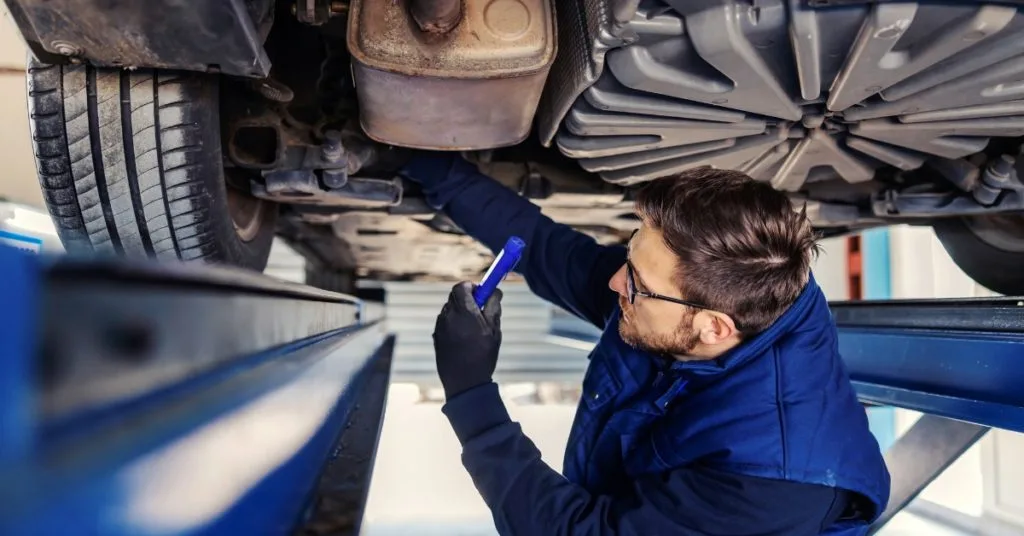
Rising garage labour costs have been steadily increasing over the last two years, with pressures coming from every direction. There isn’t a specific single cause; it’s a mix of higher wages, growing demand for EV skills and the continued impact of inflation. This means that workshops are doing all they can to stay competitive while also delivering safe and reliable repairs.
As a landscape, this can feel difficult to navigate. As well as rising costs, customers are becoming more cautious about spending money on their vehicles. Repair bills are climbing, and many people take longer to approve car repair quotes than in the past. Some even delay the work entirely.
The Real Picture Behind Rising Garage Labour Costs
The UK has seen clear and consistent growth in garage labour costs. Industry data shows that average rates rose by over 7% in 2023, followed by another lift last year. Invoice values have also increased, which means the overall cost of getting a car fixed is higher than it was even a year ago. Many dealerships are absorbing costs as much as they can, but it’s becoming harder to do so if the quality of the work isn’t going to be impacted.
The UK skills shortage is reshaping the industry.
The UK skills shortage is impacting garage labour costs. Technician demand is still high, but the number of qualified workers has not kept pace. The sector reports thousands of vacancies each year, and many remain unfilled for months.
The shift towards EVs adds pressure in this regard. Only a minority of technicians hold high-voltage or EV qualifications. The training required is significant, and the equipment is expensive. Many independent workshops struggle to take on the costs and the time involved. This makes EV-ready technicians more valuable, which naturally pushes up mechanic labour rates.

Inflation and everyday costs are still biting.
Inflation has affected every household and business in the UK. The automotive sector is no exception. Workshop, rent, tools, parts, utilities, and insurance have all increased. Many garages have seen their cost base climb faster than they can increase their prices. A growing number of workshops also face higher wage bills due to increases in the National Living Wage. Skilled workers require more pay, and entry-level roles are more expensive to fill.
How Are Customers Reacting to Higher Car Repair Quotes?
Customer behaviour has changed a lot. As discussed above, many people now put off repairs for longer and prioritise the most important, urgent jobs. Service schedules are skipped more often, and more drivers rely solely on the annual MOT.
Some drivers also reduce optional work like new tyres, air-con servicing, or advisory repairs. This has a direct effect on workshop revenue, as you aren’t getting the turnover from regular amber work. It also increases the risk of breakdowns and avoidable damage.
Consumer Duty and Fair Treatment Matter More Than Ever
As costs rise, there’s a growing responsibility on garages and dealerships to treat customers fairly and support better decision-making. Consumer duty isn’t about pushing people into repairs they can’t afford. It’s about giving customers time and flexibility to decide without pressure, while still making sure vehicles are repaired safely and properly.
Helping customers manage costs responsibly is becoming part of good workshop practice. Clear explanations, transparent pricing, and payment options that remove urgency all play a role. When drivers feel supported rather than rushed, they’re more likely to approve essential work and less likely to delay repairs that affect safety.
Supporting safe repairs while treating customers fairly is crucial. For many businesses, that balance is now central to building trust, protecting long-term relationships, and doing the right thing in a tougher cost environment.
What Can Dealerships Do to Manage the Situation?
Communicate clearly.
The recent increase in garage labour costs makes it more important for dealerships to communicate in a way that’s fully clear and provide practical support. Transparency around pricing is a big part of this; it’s one of the strongest tools available. Most people still view labour time as a simple hourly block, but modern repairs don’t always work that way.
Jobs vary depending on the make, model, and age of the vehicle, and the equipment required to carry out the work safely. EVs and hybrids need extra checks, and many other repairs involve specialist tools, training, and processes that customers don’t see.
When these details are explained in plain language, the value becomes clearer. This helps people understand why mechanic labour rates vary and makes approval of car repair quotes more straightforward. It also reduces misunderstandings and builds trust.
Flexible finance can help.
Alongside clearer pricing, flexible payment options can make a real difference. High repair bills put pressure on households, and many drivers struggle to pay the full amount up front. Some even delay essential work because of the cost. Offering interest-free instalments helps remove this barrier. It gives customers the space to manage an unexpected repair without having to panic, while allowing the work to go ahead safely and on time.
It also supports a steadier workflow inside the workshop. This leads to quicker approvals and fewer delayed jobs. Spreading the cost over several months can keep drivers on the road and reduce hesitation around bigger bills.

Looking for Ways to Reduce Customer Hesitation?
Flexible, interest-free payments can help your customers approve work sooner and reduce the impact of garage labour costs on your clients. We work with repair centres across the UK to offer simple ways to spread the cost of repairs and servicing. Drivers can spread the costs over monthly instalments, which is a great way to reduce hesitation, improve approval rates, and keep vehicles safe on the road.
If you want to offer a simpler way for your customers to manage repairs, sign up for Payment Assist today or get in touch to find out more.
FAQs
Why do garage labour costs vary between regions?
Local wages, workshop rent and the availability of skilled technicians all affect regional rates.
Why do EV repairs sometimes cost more?
They don’t always, but sometimes EV work requires high-voltage training, specialist tools and stricter safety steps.
Are customers still delaying repairs because of cost pressures?
Yes. Many people wait longer before approving repairs, especially when bills are higher than expected. That’s why flexible finance is a great way to help your customers say yes.
How can a workshop explain mechanic labour rates more clearly?
Try to give simple explanations, clear time estimates, and a breakdown of the work. These can help customers understand the value behind their car repair quote.