driver tips

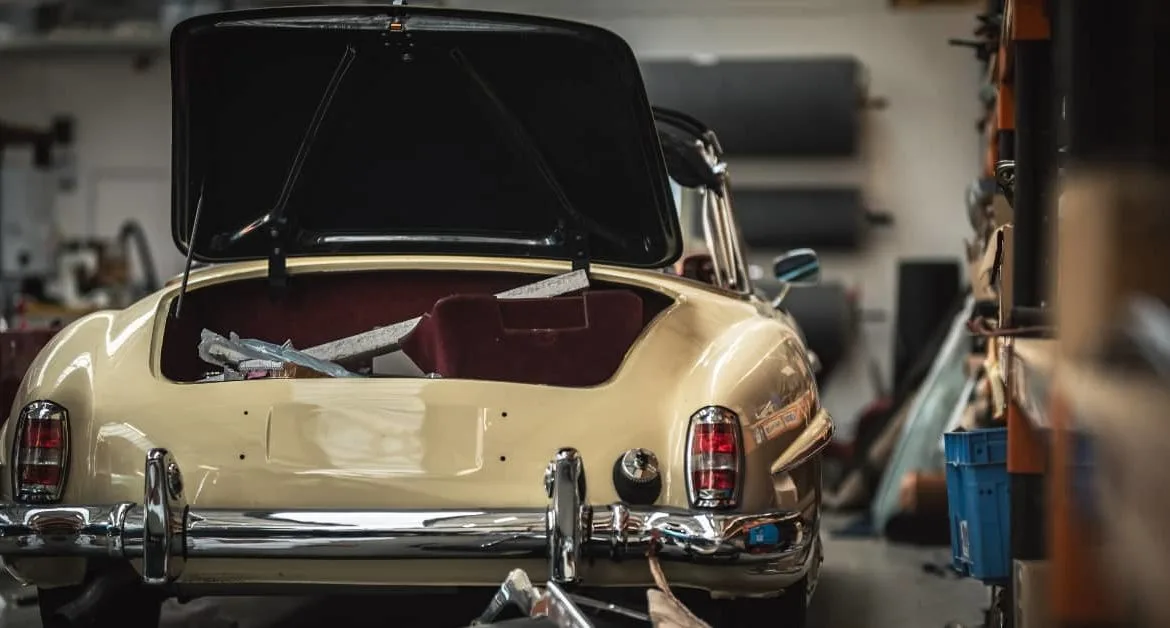
Classic cream car with open boot in a workshop, showing the impact of car repairs on the lifespan of a car, particularly for older vehicles facing higher maintenance needs.

Handling Car Repair Bills on Older Vehicles

Handling Car Repair Bills on Older Vehicles 1200 628 Payment Assist Blog

In the UK, people are hanging on to their cars longer than ever. The average lifespan of a car on British roads has reached nearly ten years, the highest figure on record. A decade ago, cars were usually sold or scrapped at about seven and a half years old.

Firstly, generally speaking, modern cars are more reliable. If you keep on top of your car’s maintenance, a modern engine can rack up well over 100,000 miles without giving in. The biggest driver, though, is likely the cost of living. When viewed as a proportion of income, new car prices have increased year on year. With the added pressure of higher household bills, many drivers just can’t justify the cost of replacing a working car.

Keeping a car for longer can be the right move for your pocket, particularly in the short term, but there are definitely challenges that come with it. Older cars have a higher risk of breakdowns, and the car repair costs grow, too. So, what are the best ways to manage the cost of repairs on older cars?

Why Older Cars Stay on the Road

There are a few reasons for this. Firstly, generally speaking, modern cars are more reliable. These days, they’re built with better technology and last longer than they used to. Engines are more reliable, bodywork tends to hold up better, and safety systems are much tougher. This means that drivers see less reason to sell or scrap a vehicle if it’s still running well.

The biggest driver, though, is likely the cost of living.

The biggest driver, though, is likely the cost of living. When viewed as a proportion of income, new car prices have increased year on year. With the added pressure of higher household bills, many drivers just can’t justify the cost of replacing a working car.

Close-up of a person using a laptop beside car keys and a toy car, representing the rising cost of living and financial pressures of car repairs and how budgeting affects the lifespan of a car.

There’s also hesitation over electric cars.

The government has shifted its plans for banning petrol and diesel sales more than once. Until there’s some level of clarity and consistency, drivers are more likely to hang on to their petrol or diesel cars rather than spend heavily on something new.

What’s the Financial Reality of Older Cars?

Older cars can be a pretty good deal if you’re not tied into finance payments, but car repair costs are an unavoidable part of ownership. Around six in ten UK drivers faced an unexpected repair in the past year, and the average bill comes in at just over £600. For a lot of households, that’s a big hit.

Younger drivers in particular struggle.

Almost half of under-25s say they would find it hard to pay a £500 repair bill. Some drivers have also admitted to skipping services or delaying essential jobs because of cost. The problem here is that small issues quickly snowball. Driving on bald tyres or ignoring brake warning lights might save money in the short term, but it almost always leads to a bigger bill later.

The reality is that as the lifespan of a car stretches, the likelihood of costly car repairs rises. The common jobs for nine to ten-year-old cars are often expensive, too, things like replacing brakes, tyres, batteries, exhaust systems, and suspension parts. More serious failures, like clutch or gearbox problems, can easily push bills over £1,000.

Try to Stay Ahead of Maintenance

The best way to manage costs on an older vehicle is to do your best to stay ahead of problems. Keeping up with car maintenance means that, most of the time, you can avoid the worst breakdowns. Regular servicing really helps here. If you keep to the service schedule, mechanics can catch minor issues before they become disasters.
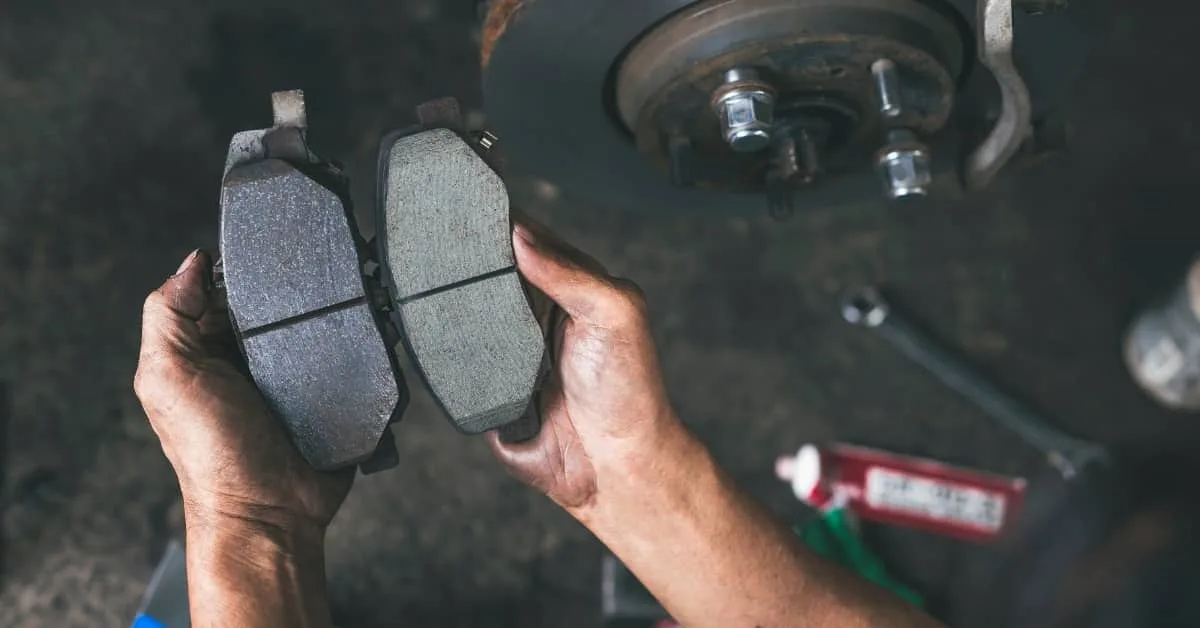
Mechanic comparing worn and new brake pads during car maintenance, highlighting how regular servicing extends the lifespan of a car and reduces unexpected car repairs.

Even if money is tight, do your absolute best not to ignore MOT advisories. These are flagged for a reason, and acting on them as soon as possible is safer and cheaper than letting them fail completely.

Want to Extend the Lifespan of your Car? Flexible Car Repair Finance Can Help.

Not every driver has spare cash tucked away, and sometimes repairs come at the worst possible moment. That’s where 0% car repair finance services like Payment Assist can make the difference. It’s designed for drivers who need their cars back on the road straight away but can’t afford the upfront cost all at once.

We know how tough unexpected repair bills can be, especially with the rising cost of living. Our platform helps you to split the bill into interest-free payments so you can get your car repairs sorted early, before they spiral into more expensive issues that might impact the lifespan of your car. There are no fees or hidden charges, and most plans don’t even require a credit check.

With thousands of garages across the UK offering Payment Assist, it’s easy to find a merchant near you. You can learn more about what we offer here or get in touch with any questions.

FAQs

Do older cars fail MOTs more often?

Yes. Numbers from the DVA show that cars over ten years old are much more likely to fail an MOT, mainly failing on areas like brakes, tyres, suspension, or emissions.

Is fuel efficiency worse as a car ages?

It can be. Engines and components wear over time, so efficiency can drop. Keeping up with servicing and part replacements can help you maintain good fuel efficiency.

Are older cars reliable for long trips?

Yes, but (like any car) they’ve got to be well maintained. Lots of drivers take older cars on long motorway runs without issues, but a pre-trip check of tyres, fluids, and brakes is recommended before covering high mileage.

What’s the most expensive repair job on older cars?

Gearbox and engine rebuild are usually at the top of the list. Sometimes they can run into thousands of pounds. Without flexible car repair finance, these costs can be really difficult to manage.

Banner image reading “Want to cut car repairs while extending the lifespan of a car?”, linking cost of living pressures to smarter car maintenance choices.

Further Reading

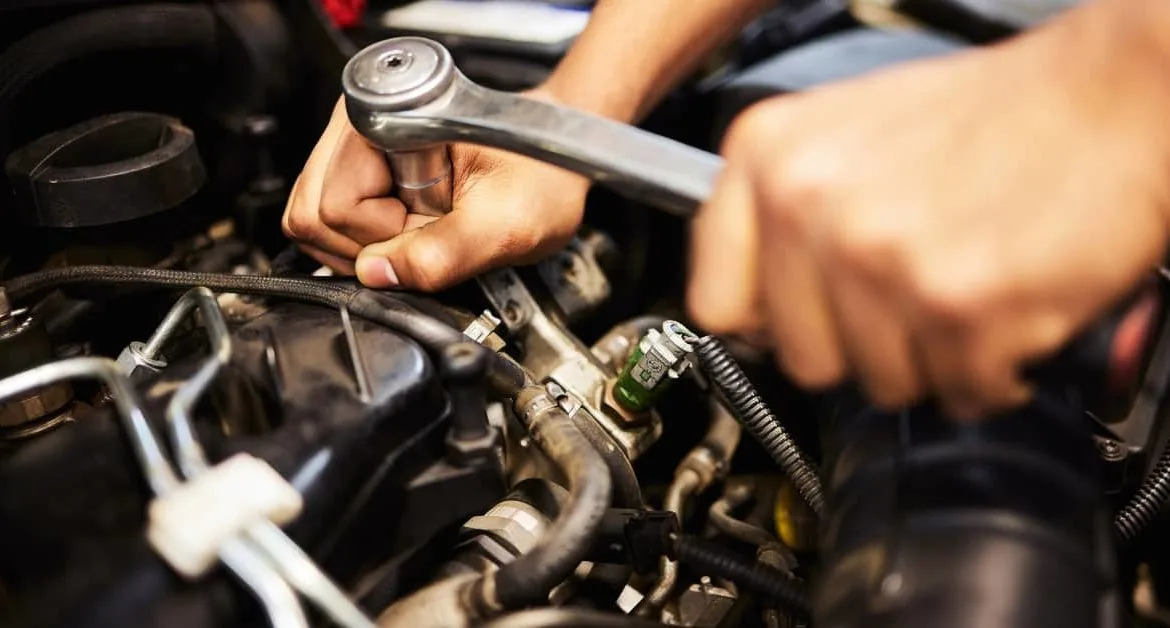
Close-up of a mechanic using a ratchet tool on an engine, showing engine repairs as one of the most common car repairs that adds to the overall cost of car repairs.

Common Car Repairs Ranked by Cost

Common Car Repairs Ranked by Cost 1200 628 Payment Assist Blog

When something goes wrong with your car, the bill is what really matters. Knowing which jobs sit at the top end of the scale, and which are more common car repairs, is a good way to prepare for the unexpected. It also helps to establish where car repair finance can take the sting out of costs when they land at the worst possible time.

1. Engine Repairs

Nothing makes a driver wince quite like engine repairs. A complete engine replacement is one of the most expensive fixes on the road. For a standard family car, you could be looking at £1,500-£5,000. In many cases, the cost of car repairs at that level outweighs the value of the vehicle itself. Some owners choose to scrap or sell rather than pay out, but that’s not always an option if you need a working car quickly.

Head gasket issues also fall under engine repairs that hit the wallet hard. Replacing a blown gasket costs £662 on average, but in theory it can stretch much higher depending on the car. It’s one of those problems that can escalate really easily if ignored, too, often leading to full engine failure. Spotting the early signs of overheating or loss of power and sorting it quickly can save a fortune.

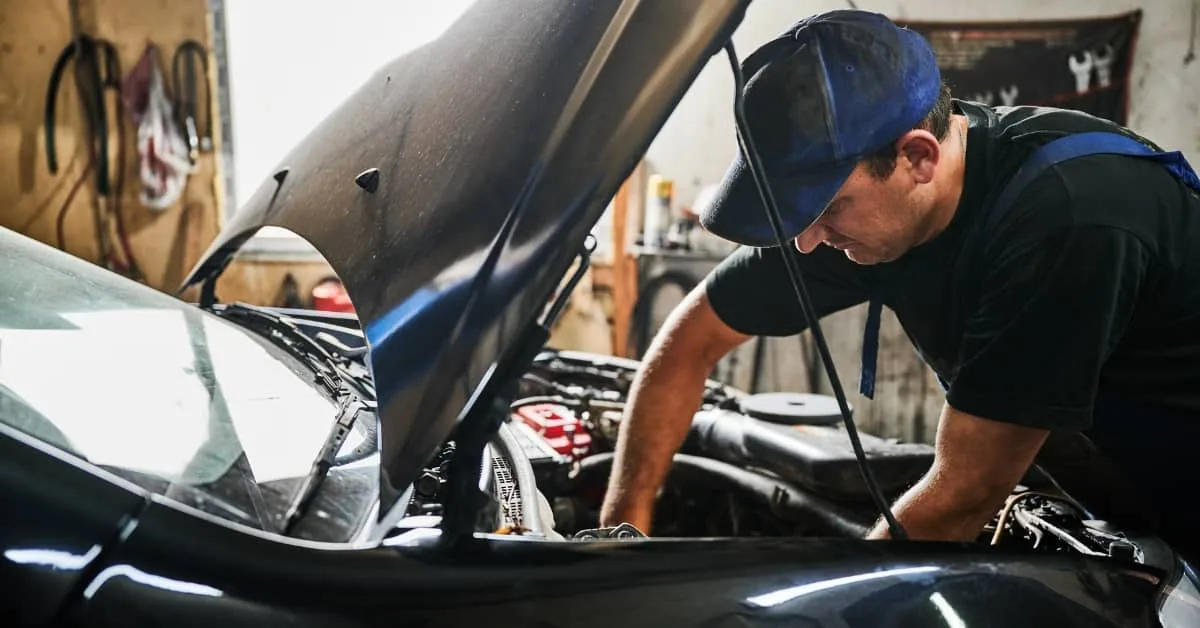
Mechanic leaning over a car engine in a workshop, carrying out engine repairs that highlight the growing cost of car repairs and the value of car repair finance options.

2. Electric Car Repair Jobs

Drivers making the switch to electric are saving money on fuel and routine servicing, but the increased cost of repairs is something to keep an eye on. The traction battery is the single most expensive part in an EV. Replacing one averages about £7,200, which is eye-watering. The good news is that these batteries are built to last for years. The bad news is that if one does fail outside warranty, the bill is huge.

3. Transmission & Clutch Repairs

Gearboxes are high on the list of expensive jobs. Manual gearboxes usually cost somewhere between £500 and £2,500 to repair or replace. Automatic gearboxes tend to be more complex, so the price can easily run to £5,000 for certain makes. Regular servicing and driving smoothly can extend gearbox life, but when one fails, the cost of the car repair is usually high.

Clutches are another repair that often crosses into four-figure territory. The average clutch replacement in the UK is anywhere between £500 and £1000. If the flywheel is damaged as well (which isn’t uncommon), the bill rises further. For city drivers constantly in stop-start traffic, clutch wear comes sooner and makes this one of the more common car repairs people need over a car’s lifespan.

4. Catalytic Converters & Fuel Systems

Catalytic converters are built with precious metals, which makes them really expensive to replace. A failed or stolen unit can cost up to £900. Rising theft rates in some regions add to this risk. Keeping your car parked in well-lit or secure spots helps, but if you are unlucky enough to need a replacement (and it’s not covered by your insurance), then it’s a serious hit to the wallet.

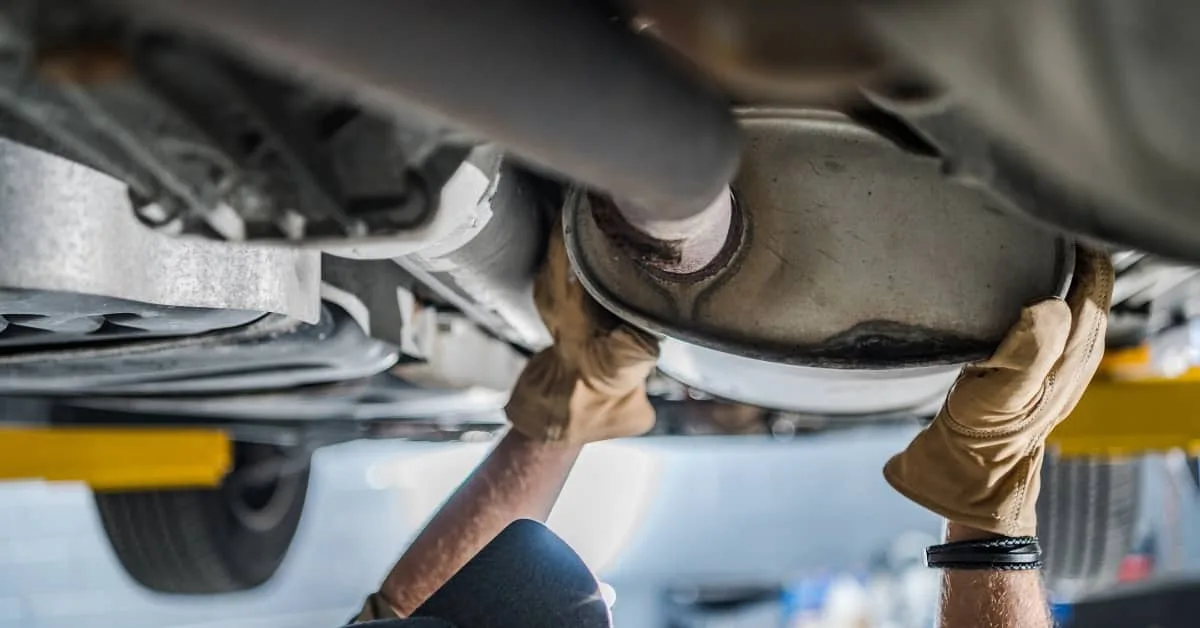
Mechanic wearing gloves working under a vehicle to repair a catalytic converter, one of the common car repairs that can drive up the cost of car repairs without proper car repair finance support.

Fuel injectors can also rack up car repair costs.

They can cost up to £350 per injector. As modern engines rely on precise fuel delivery, even one faulty injector can cause major running issues, so garages often recommend replacing them all together. Using decent quality fuel and servicing the system can stretch their lifespan.

5. Mid-Range, but Still Painful

Not all jobs run into the thousands, but even repairs in the hundreds can come as an unpleasant surprise.

Alternators

The unit that charges your battery and powers electrics often costs £150 to £300 to replace. In rare cases, premium cars can climb towards £1,000.

Starter motors

When they fail, a replacement usually sits around £200. Not the worst bill, but still one of those that often comes out of the blue.

Suspension parts

Replacing a pair of coil springs might cost about £225. Shock absorbers can be in a similar range. These are safety-critical, so delaying them is never a smart move.

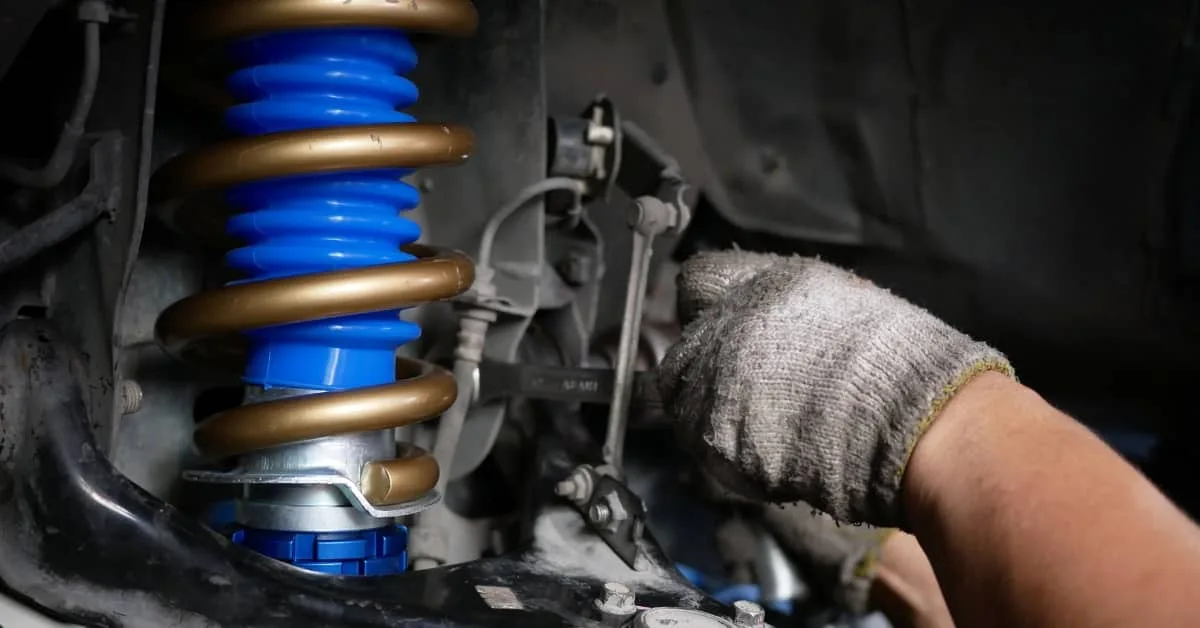
Mechanic adjusting a car’s suspension system with a bright blue spring, representing common car repairs that impact driving safety and contribute to the cost of car repairs.

6. Lower-cost Common Car Repairs

Plenty of jobs come in at the lower end of the scale. These repairs are often classed as wear and tear, so while they happen more regularly, they can be easier to manage.

Brake pads

Replacing front pads usually costs around £127, with rears about £121. That means roughly £250 for a full set. Discs usually cost more.

Batteries

Standard 12V batteries in petrol and diesel cars cost £50 to £150 for most models. They are straightforward to fit, and many garages will swap one in minutes.

Bulbs and fuses

Headlight bulbs can cost as little as £21 to replace, and fuses even less. These are the cheapest fixes most drivers will ever face.

Wiper blades

Often around the £10 mark, they are easy to change yourself and keep visibility clear.

Struggling with the Cost of Car Repairs? Try Our 0% Car Repair Finance.

That’s where Payment Assist steps in. We make car repair finance simple. You can split your bill into monthly payments to remove the pressure of that huge, up-front bill. It’s interest-free and there aren’t any hidden costs or minimum spends. That means you can use Payment Assist for common car repairs like brake pads or bulbs, as well as for big engine repairs or gearbox failures.

Our solution is already in use with garages and dealerships across the UK. If you want to see how it could help you handle the cost of your car repairs, find a merchant near you today. Or, for more information, get in touch with our team here.

FAQs

How do I know if the cost of a car repair is fair?

Get at least two quotes from different garages, or check online guides like the RAC or Which? for average repair costs.

Why does the cost of a car repair vary so much between garages?

Labour rates, parts quality, and the type of garage all make a difference. City garages often charge more due to higher overheads.

Do electric cars cost less to service overall?

Yes, in general. EVs tend to have fewer moving parts, so routine servicing is cheaper. That said, when something major does go wrong, the cost of the car repair can be much higher than with petrol or diesel cars.

What should I do if I can’t afford an urgent car repair?

The best option is to find a garage that offers flexible financing like Payment Assist. That way, you can get 0% interest finance and split the cost of your car repair into instalments without hidden fees.

Banner image reading “Looking for support with the cost of car repairs on common jobs?”, highlighting how car repair finance can help with engine repairs and other common car repairs.

Further Reading