car repair finance

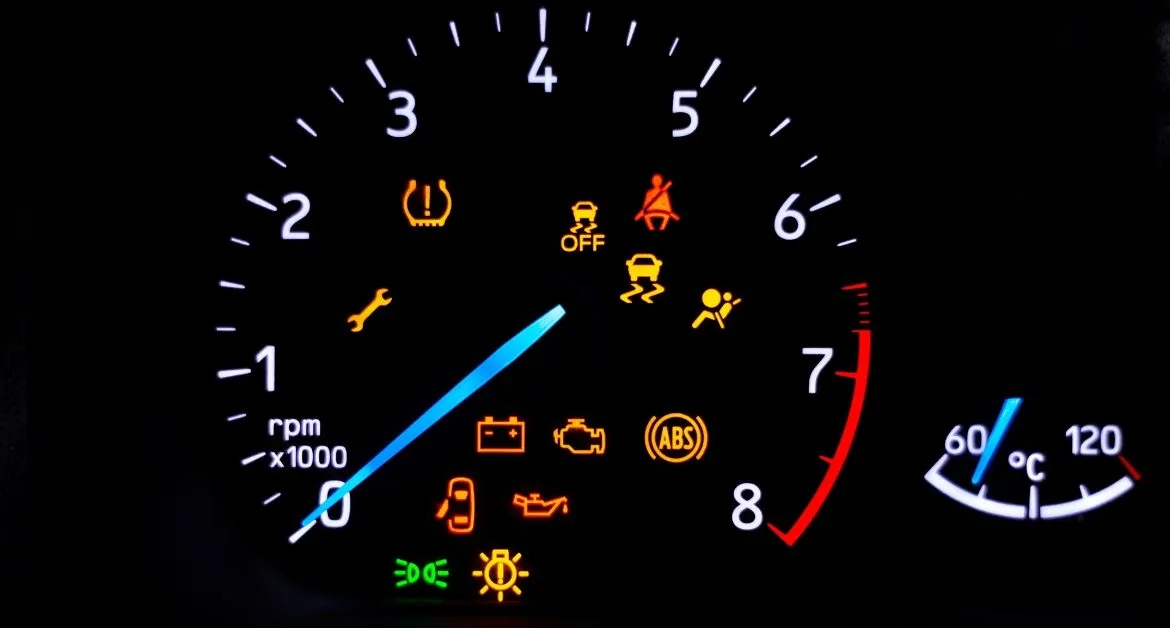
Car warning signs – Car dashboard with illuminated warning lights including tyre pressure, ABS, engine, oil, and seatbelt alerts.

The Real Cost of Ignoring Car Warning Signs

The Real Cost of Ignoring Car Warning Signs 1200 628 Payment Assist Blog

Sometimes, a big repair bill is a total bolt from the blue. Others come from something small that got brushed off because the car still drove fine. Things like a warning light that comes and goes or a tiny leak you only notice when you reverse off the drive are easy issues to ignore and forget about.

But that’s the trap with car warning signs. They feel easy to live with right up until they aren’t. By the time a fault forces your hand, the job’s often bigger, the parts list is longer, and the cost is huge, which is how 0% finance for car repairs can help.

Why Small Car Faults Turn Into Big Repairs

Modern cars are increasingly built from systems that rely on each other. If one part starts struggling, others end up working harder to compensate, and that extra strain speeds up wear and tear, turning a minor problem into a chain reaction.

That’s why small car faults turn into big repairs so often.

You can find yourself paying for more than one broken part. The cost often includes paying for the extra damage caused by driving with it. The earlier you act, the more likely it is you’re paying for a simple replacement instead of a knock-on repair.

Small faults turn into big repairs – Woman crouching beside a car checking the front wheel area on the roadside.

Squeaky Brakes

That’s the noise of money leaving your pocket.

Brake pads are meant to wear down, and replacing them is a routine job. The problem is what happens when you push past “worn” into “metal-on-metal”.

Once the pads are too thin, they grind into the discs. That turns a pad change into pads and discs. If you leave it longer, you can even end up with overheating, warped components and damage that takes more labour to put right.

Brakes are also a safety issue, so ignoring them isn’t just expensive; it’s a big risk to your health and the health of those around you. If you’re hearing squealing or grinding, or if the pedal feels different, treat that as a proper warning sign, not background noise.

Small Leaks

A small leak can feel harmless until you remember what fluids actually do in your car. Oil lubricates the engine, coolant controls temperature, and brake fluid allows the system to work; all are vital.

If your oil drops too low, you increase friction and heat inside the engine, and if coolant drops, overheating becomes more likely. Overheating can warp components and cause long-term damage like a blown head gasket that’s far more expensive than fixing a seal or hose early on.

Even if the leak itself isn’t dramatic, the consequences can be. If you notice fresh fluid under the car, a sweet smell, or you’re topping up more often than usual, that’s one of those car warning signs you don’t want to gamble with.

Worried You’re Ignoring Car Problems? We Can Help.

Payment Assist offers 0% interest finance for car repairs, so you can tackle small faults before they turn into big mechanical failures. Find your nearest garage here, or get in touch with us today.

Warning Lights

Warning lights tick on because the car’s sensors have spotted something outside normal behaviour. Some warnings can be simple, like a sensor fault. Others are more serious, like oil pressure or engine temperature.

The mistake people make is thinking a light is only important if the car feels rough. Modern cars can mask issues while they get worse. And if a warning light comes and goes, that doesn’t mean the problem’s gone. It can mean it’s intermittent, which is often harder to diagnose once it becomes constant.

If you see a warning light repeatedly, treat it as a prompt to get the car checked. It’s usually cheaper to investigate early than to deal with the aftermath later.

Ignoring Car Problems Has “Hidden” Costs

The repair bill is only one part of it. Ignoring car problems tends to create pressure in other places too.

Breakdowns never happen at a good time

You’ll find yourself forking out for recovery fees, missed work, last-minute childcare changes, taxis, and hire cars. Even a simple breakdown can turn into a messy, expensive day.

MOTs become stressful

That small advisory or warning light you ignored can become a failure. Then you’re fixing things under time pressure, which usually means fewer choices and a higher chance of paying more than you wanted to.

Resale value drops

If you plan to sell or part-exchange, neglected issues show up. Either they’re obvious to a buyer, or they appear in inspection. Either way, you pay for them one way or another.

The Smart Approach

Deal with it early, in a way that fits your real-life situation.

Most people don’t ignore warning signs because they don’t care. They ignore them because it’s inconvenient or because the timing is hard financially. That’s understandable.

But if you want to avoid the big bills, the pattern is simple. Take car warning signs seriously, get them looked at early, and sort the small fixes before they turn into bigger jobs.

If the only thing stopping you from acting is the upfront cost, this is exactly where finance for car repairs can help. Instead of delaying the work and risking escalation, spreading the cost can make it easier to deal with the problem while it’s still manageable.

finance for car repairs – Mechanic smiling while working under the bonnet of a car in a garage.

Want to Stop Small Faults Turning Into Big Repairs?

If you’ve spotted one of those car warning signs and you’re hesitating over cost, then Payment Assist makes the decision easier. We help you deal with repairs of all sizes by giving you the option to spread the cost of the work. Whether it’s servicing, MOTs, or major mechanical repairs, you get manageable monthly payments with 0% interest.

We already partner with thousands of garages across the country. You can find your nearest one here or get in touch with our team if you have any questions.

FAQs

What are the most common car warning signs drivers ignore?

Brake noises, dashboard warning lights, fluid leaks and tyre wear are some of the most overlooked car warning signs. Catching them early helps prevent small car faults from turning into big repairs.

Can small car faults turn into big repairs?

Absolutely. Many minor problems escalate within weeks or months if left untreated. Ignoring car problems often increases both labour time and parts costs.

Can I get finance for car repairs if the bill isn’t huge?

Yes. Finance for car repairs is often available for mid-range costs like brakes, clutches, servicing and MOT work, helping you spread payments into manageable instalments.

Is Buy Now, Pay Later available at most garages?

At Payment Assist, we partner with thousands of UK garages and dealerships, making flexible repair finance widely accessible across the country.

Does spreading the cost help avoid bigger repair bills?

Sorting issues early and spreading the cost can reduce the risk of escalation. Acting quickly prevents minor faults from developing into more serious mechanical failures.

Stop ignoring car problems. Get flexible finance for your car repairs today – Payment Assist banner with bold white text and a red Contact Us button.

Further Reading

Car repair help for families – Parent on the phone beside a broken-down car while family members stand at the open boot.

How BNPL Car Repair Help Families, Carers, and Key Workers

How BNPL Car Repair Help Families, Carers, and Key Workers 1200 628 Payment Assist Blog

Your life doesn’t slow down when your car breaks down.

The school run still needs doing, and the early shift still kicks off at 6am. For key workers, carers, and busy families, a car isn’t a luxury but a real necessity that holds the day together.

When you’re faced with an expensive, unexpected car repair bill, the stress goes far beyond the price. You’ve also got to manage everything that the bill could disrupt. That’s where sensible finance for essential car repairs, which gives you the chance to spread the cost of unexpected car bills makes a huge difference.

Let’s talk about why.

When the Car Stops, Life Gets Harder

Millions of people across the UK are totally dependent on their family car. In fact, we’re among the most car-dependent countries in Europe. If you’re a care worker, a teacher, or someone juggling the school run and your car breaks down, where does that leave you?

For many households, there’s not a backup vehicle waiting on the drive. Public transport can be inconvenient and expensive, especially if you work antisocial hours. What you need is to get your car back on the road as quickly and as cheaply as possible.

Spread the cost of unexpected car bills – Carer helping an elderly man into a vehicle outside a home.

What Happens When You Can’t Afford a Car Repair?

If you’re dependent on your car, then the key thing is getting it moving as fast as possible. But what if you can’t afford it? With the cost of living increases we’ve seen over the last few years, a smaller number of people have a slush fund to throw at an expensive car repair.

If you don’t have the savings, then you could find yourself thinking about credit cards, borrowing from friends or family, or delaying the repair and managing without your car until you can save.

None of these options feel great.

Looking for 0% Finance for Essential Car Repairs?

If you’ve just been quoted a repair estimate and you’re wondering how you’ll cover it, then Payment Assist can help. Our BNPL service helps you spread the cost of unexpected car bills into monthly instalments and get back on the road without breaking the bank. Get in touch to find out more.

Why BNPL Car Repair Helps Families & Key Workers

Spreading payments isn’t about avoiding responsibility but managing cash flow.

1. Protecting The Monthly Budget

When a £900 repair lands in your lap, paying it upfront can wipe out a month’s breathing room or force you into high-interest debt options.

Breaking it into instalments means you still have money set aside for the weekly shop, childcare, or direct debits. That stability matters. Especially for households with fixed incomes or shift-based pay.

2. Keeping Essential Journeys Going

Delaying repairs because of a cash flow problem can lead to bigger problems. A small issue left unchecked can become a larger, more expensive one down the line. Even worse, driving an unsafe vehicle risks breakdowns or accidents.

Sorting the repair quickly keeps the car safe and reliable. That means that the school run, work shifts, and other unavoidable journeys aren’t interrupted.

Finance for essential car repairs – Adult helping two children get into a car outside a house.

3. Reducing Stress At The Worst Time

When you’re already juggling family life or caring for others, the last thing you need is financial panic.

Having access to structured, transparent payment options takes the edge off. You know what you’re paying and when, so you don’t get nasty surprises.

That’s proper car repair help for families in real-world terms.

A Practical Safety Net, Not a Luxury

Let’s be clear, this isn’t about upgrading alloys or adding fun extras. It’s about making sure that you can complete those essential journeys. As an FCA-regulated provider, we operate in a responsible and thorough way to make sure that you’re accessing financial support for what you need and in a way that’s affordable for you and your budget.

How Payment Assist Spreads the Cost of Unexpected Car Bills

At Payment Assist, we’ve got one clear goal: make vehicle costs easier to handle for drivers across the UK. When a bill hits you out of nowhere, we give you practical car repair help for families and key workers who rely on their cars every day.

Our BNPL options let you spread the cost of unexpected car bills into interest-free, manageable monthly payments. In simple terms, that means a small upfront payment followed by clear instalments you can plan around.

We work with thousands of garages and dealerships nationwide, which means finance for essential car repairs is usually available right where you need it. Whether you need support with major repairs like a clutch or engine work or even for servicing and MOT failures, we can help.

Find a Payment Assist partner near you by clicking here, or get in touch with us to find out more.

FAQs

What is BNPL car repair help for families?

BNPL car repair help for families usually means flexible payment options that allow you to fix your vehicle now and pay in instalments. It helps households manage essential repairs without paying the full amount upfront.

How does finance for essential car repairs work?

Typically, you pay a small deposit and then spread the remaining balance over agreed monthly payments. Terms are clearly set out before you sign, so you know exactly what you’ll repay.

Can I spread the cost of unexpected car bills if my car fails its MOT?

In many cases, yes. If your garage offers a BNPL option like Payment Assist, you may be able to arrange a payment plan for the repair work needed to pass the MOT.

Is spreading the cost of unexpected car bills with BNPL better than using a credit card?

Yes, with Payment Assist, you can access interest-free car repair finance, whereas most credit card providers will not be able to offer this.

Want expert car repair help that keeps your family on the road – Blue Payment Assist banner with white text and a red Get in Touch button.

Further Reading

Responsible BNPL for car repairs, Mechanic giving a thumbs up while a customer holds a smartphone, symbolising responsible BNPL for car repairs and digital payment approval.

Why Responsible Buy Now, Pay Later Works for Car Repairs

Why Responsible Buy Now, Pay Later Works for Car Repairs 1200 628 Payment Assist Blog

Car repairs rarely come at a good time, but you’ve still got to keep the car on the road and stay safe. That’s where Buy Now, Pay Later (BNPL) can step in. It’s not a shortcut or an excuse to spend, but it can be a powerful, practical way to deal with essential car repairs when cash flow is tight.

When it’s used properly, responsible BNPL for car repairs protects mobility, safety, and financial stability.

Car Repairs Aren’t Optional Spending

In general, you don’t choose to repair your car; you have to. Ignoring problems with your vehicle can spiral into higher costs and risk your safety.

What’s more, for many households, the car isn’t a luxury, with 7 out of 10 UK audiences saying their lifestyle necessitates a vehicle. It’s how we get to work, how we do the school run, and how we get about day to day. When a repair bill lands unexpectedly, paying it in one hit can cause real strain.

Spreading the cost of car repairs is a great way to keep life moving without tipping finances over the edge.

Spread the cost of car repairs, Mechanic working under a car bonnet in a workshop, representing the option to spread the cost of car repairs.

What BNPL Is Actually For

There’s a lot of noise around BNPL, and much of it is undeserved.

At its best, BNPL is an effective short-term budgeting tool. It breaks a necessary cost into smaller, predictable payments without compounding interest or leaving you with long-term debt hanging around for years.

That’s why interest-free car repairs are so effective, as when repayments are fixed and time-limited, people can plan. They know what’s going out and when it ends.

It’s this structure and framework that separates responsible BNPL from risky borrowing.

Responsibility is the Key Word

BNPL only works when it’s used with clear rules.

  • First, it’s best used for essentials, not impulse buys. Car repairs obviously qualify for this, as a failed MOT or engine problem doesn’t wait until payday.
  • Second, repayments need to be affordable. If the monthly amount fits comfortably alongside rent, bills, and food, it’s doing its job. If it doesn’t, it’s the wrong option.
  • Third, the terms must be clear without hidden charges or confusing penalties, so you aren’t met with a nasty surprise halfway through.

The Real Cost of Not Fixing the Car

Delaying repairs often feels like saving money. In reality, it usually costs more. Minor faults turn into major ones because the car keeps being driven.

There’s also the safety side. Cars in poor condition put drivers, passengers, and everyone else on the road at risk. Spreading the cost of car repairs allows work to be done when it needs doing.

Facing a repair you didn’t plan for? Spread the cost with Payment Assist.

Our 0% interest car repair finance could be the difference between delaying the work and getting it sorted properly. Find your nearest Payment Assist partner, or get in touch with us to find out more.

How Does BNPL Compare With Other Payment Methods?

When you can’t pay up front, you need to look for alternatives, but not all of them are equal.

Credit cards often carry interest if the balance isn’t cleared quickly, and overdrafts can spiral, especially with rising fees. Informal loans from family can add pressure that money shouldn’t bring into personal relationships.

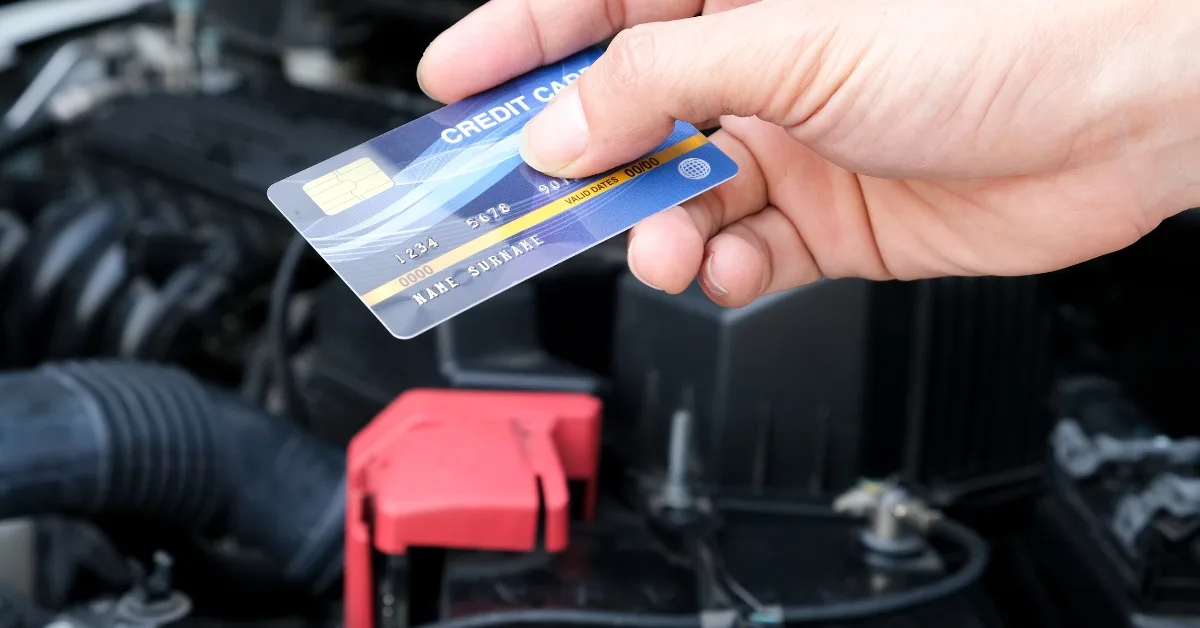
Interest-free car repairs, Hand holding a credit card in front of an open car bonnet, representing interest-free car repairs and flexible payment options.

Interest-free car repairs through BNPL are generally a much more structured and safe way of managing these costs. The price is agreed upfront, the timeline is clear, and once it’s paid, it’s done.

Regulation Is Catching Up

BNPL isn’t the wild west it once was. UK regulation is becoming more comprehensive, and there’s a much stronger focus on affordability, transparency, and consumer protection. At Payment Assist, we welcome these changes.

That shift is important. It means BNPL is being treated as what it is: a form of credit that needs guardrails.

Responsible providers already operate within those boundaries. They check affordability, and they explain terms properly. They don’t encourage people to take on more than they can handle.

Financial Stability Isn’t About Never Borrowing

Real life doesn’t always work without some form of credit. Financial stability is about control and predictability. It’s much harder to manage a single, upfront cost that throws off your monthly budget than a structured payment plan that’s transparent and has no hidden costs.

Spreading the cost of car repairs can protect that stability.

Looking for Interest-Free Car Repair Finance? Choose Payment Assist.

Payment Assist provides a straightforward way to spread the cost of essential car repairs without adding interest or unnecessary complexity.

Our focus is on affordability, clarity, and responsible use. The aim is simple: help people deal with unexpected repair bills while keeping control of their finances. No pressure, and no surprises. Just a practical way to keep cars safe and on the road.

Click here to find a garage near you, or get in touch with our team to find out more.

FAQ

Is BNPL suitable for all car repairs?

It works best for essential, time-sensitive repairs such as safety issues, warning lights, or MOT failures or for amber work that could escalate into higher costs. Cosmetic upgrades might not be the best fit.

Does spreading the cost of car repairs mean paying more overall?

With interest-free options, the total cost stays the same. You’re changing the timing of payments, not the price.

Can BNPL affect budgeting?

It can actually support budgeting when repayments are affordable and clearly planned. Problems tend to arise when multiple plans overlap, or payments stretch monthly finances too far.

Is BNPL better than using savings?

Some people prefer to protect emergency savings for other costs that don’t have financing plans available, and spread the cost of the repair instead, especially when vehicles go wrong unexpectedly.

What happens if a payment is missed?

Missing payments is not ideal and can lead to an impact on your credit score. That’s why it’s important to work with a trusted provider to find a plan that comfortably fits your budget. Don’t forget to speak up early if circumstances change.

Is BNPL a long-term solution for car ownership costs?

No. It’s a short-term tool for unexpected repairs, not a substitute for regular maintenance planning or saving over time.

Responsible BNPL for car repairs cta, Website banner reading “Need a responsible BNPL provider for your car repairs? We can help.” with a Get in touch button and Payment Assist branding.

Further Reading

Car write-offs: Two cars involved in a collision, showing front-end damage and smoke rising from one vehicle.

What Do Increased Car Write-Offs Mean for Dealerships?

What Do Increased Car Write-Offs Mean for Dealerships? 1200 628 Payment Assist Blog

Car write-offs are rising fast, and not only after severe accidents. Vehicles that might have previously gone through a repair bay are now being declared total losses, even when the damage could be repaired. This is a shift that’s fundamentally changing how repair work stacks up financially and how customers view the process.

Why Are Car Write-Offs Increasing?

The biggest driver behind rising car write-offs is simply cost. Average repair costs in the UK have increased by almost a quarter in the last 6 years. That rise is the result of a few big pressures all hitting at once. Parts prices are going up, and labour rates are higher due to a widening skills gap. On top of this, supply chain delays add time and cost to jobs that, in the past, were straightforward.

Insurers make their decisions based on total claim cost, not just the visible repair. Once that cost starts to approach the vehicle’s pre-accident value, a car write-off becomes a more attractive option. Courtesy car hire and storage fees also contribute to the overall calculation. Even comparatively minor damage can push a claim over the threshold once these additional costs are included.

Vehicle design has also shifted the balance.

Modern cars are packed with new tech, which often needs specialist recalibration even after a light impact. What might look like cosmetic damage can involve expensive behind-the-scenes work. Electric cars add another layer of complexity, too, with high-voltage systems and battery considerations increasing both risk and repair cost. The result is a steady rise in vehicle insurance write-offs, even where repair might technically be possible.

The Scale of the Car Write-Off Problem

The boom in vehicle insurance write-offs isn’t a marginal problem anymore. In the last few years, the proportion of claims ending in write-offs has grown from just over half to around two-thirds. That means most damaged vehicles never reach the workshop at all.

In 2024 alone, more than half a million vehicles were recorded as written off in the UK. For dealerships, that’s a huge number. Each write off is potentially lost repair work, and a customer facing an outcome that’s frustrating or even traumatic.

vehicle insurance write-offs: A driver standing beside a damaged car at the roadside, looking at smoke coming from the vehicle after a collision.

What Can Dealerships Do?

First and foremost, it’s important to take an active role in guiding your customers. Remember, this is an incredibly stressful and confusing time for them. One of the best ways to do this is to own the conversation around why a repairable-looking vehicle is being written off. Customers naturally focus on what they can see, while insurers base decisions on total claim cost.

If you can explain this wider picture, it can help prevent assumptions that costs are being inflated or that a car write-off is being pushed unnecessarily. That transparency is vital for protecting trust at a time when vehicle insurance write-offs are so routine.

Support customers when insurance falls short.

Many drivers find that their payout doesn’t cover the full outgoing of repairing or replacing their vehicle to a standard they’re comfortable with. Giving them clear assessments, honest pricing, and practical alternatives can help customers feel informed rather than concerned.

In some situations, repairs outside the insurance process may still make sense, while in others, customers may want to carry out limited work before resale. Having these chats openly is a good way to reassure customers that the dealership is acting in their best interests, not following the insurer’s decision blindly.

Affordability can be the final barrier for customers.

With higher vehicle repair costs, even customers who want to fix their vehicle may struggle to pay in one go, particularly when insurance doesn’t cover the full amount. This is where flexible repair finance becomes so valuable. Spreading the cost of repairs into manageable monthly payments can turn an unworkable situation into a realistic option. Customers get to keep their vehicles, and your dealership retains work that might otherwise have been lost.

More importantly, offering finance in a transparent, supportive way reinforces trust at a stressful point in the ownership journey. Customers value having control and choice, and dealerships that provide flexible payment options are better placed to maintain long-term relationships.

Why car write-offs are increasing: A mechanic working under the bonnet of a car in a workshop, carrying out repairs on a vehicle with the hood open.

Want Help Keeping Repair Work When Insurance Writes Cars Off?

As car write-offs become more common and insurance payouts fall short, dealerships need practical ways to keep customers in their workshops. Payment Assist helps you bridge that gap by giving customers the option to spread the cost of repairs when vehicle insurance write-offs make fixing a car feel unaffordable.

Our flexible payment solutions help you retain repair work, reassure customers at a difficult point, and protect long-term customer relationships. If you’re looking to provide 0% finance for car repairs to your customers, get in touch with us today or sign up for Payment Assist.

FAQs

Can a customer repair a car after it has been written off by an insurer?

In some cases, yes, customers can choose to repair a written-off vehicle privately, depending on the write-off category and their insurer’s terms. It isn’t common, though.

Why do newer cars get written off more easily than older ones?

Newer vehicles often have complex electronics and safety systems that significantly increase repair costs, even after minor damage.

Can offering repair finance improve customer satisfaction?

Yes, giving customers flexible payment options can reduce stress, improve affordability, and strengthen trust during difficult repair decisions.

Is the rise in car write-offs affecting all types of vehicles?

While all vehicles are affected, cars with advanced technology and electric powertrains are particularly impacted due to higher repair complexity and costs.

Find out what Payment Assist can offer whe vehicle insurance write-offs impact your customers: Branded banner promoting Payment Assist’s support when consideration of vehicle insurance write-offs affects customers, including logo and contact button.

Further Reading

A row of coins stacked on wooden blocks marked 2025, used to show how the UK Budget could influence motoring costs and the automotive sector in the year ahead.

What Does the 2025 UK Budget Mean for the Automotive Sector?

What Does the 2025 UK Budget Mean for the Automotive Sector? 1200 628 Payment Assist Blog

The 2025 UK Budget brings a number of tax and policy shifts that will have knock-on effects through the automotive sector, with everything from fuelling your car to how often people visit the garage, and even which types of vehicles become more popular being impacted. This could change what it costs to own, run, and fix a car over the next few years.

Fuel Duty, Road Tax and Everyday Motoring Costs

The 2025 Budget keeps the temporary 5p fuel duty cut in place for now, but sets out a firm plan for duty to rise again. From September 2026, the cut is unwound in phases, and from 2027, fuel duty begins rising with RPI. That creates a slow, predictable climb in fuel prices that feeds directly into the rising motoring costs as a result of the UK Budget for petrol and diesel drivers. Older, higher-mileage vehicles are hit hardest because they consume more fuel, and many of those are the cars most likely to be in and out of workshops.

Vehicle Excise Duty also increases over the forecast period.

Higher registrations and the frozen thresholds for the expensive-car supplement mean many newer or premium ICE and hybrid cars drift into higher tax bands. That impacts purchasing decisions and affects how appealing certain models look once you take total ownership costs into account.

Electric and plug-in hybrid cars face the biggest structural change.

From April 2028, EVs incur a new mileage-based charge. Battery electric cars are taxed at 3p per mile; plug-in hybrids at 1.5p per mile. The OBR’s modelling shows this narrows the cost gap between EVs and petrol or diesel cars, especially for drivers covering long annual mileages. Although EVs remain cheaper per mile than ICE vehicles, the savings shrink. This affects leasing models, whole-life cost calculations and the economics of running an EV long-term.

EV Incentives and the Changing Cost Landscape

The 2025 Budget does include measures that soften some of the impact. The expensive-car supplement threshold for battery electric cars rises from £40,000 to £50,000 in April 2026. That lowers annual running costs for higher-end EVs and shifts some demand upward within the segment. EV purchase grants are also expanded between 2025-26 and 2029-30, which helps offset rising operating costs for those buying new electric vehicles.

Even with these offsets, predictions expect roughly 440,000 fewer EV sales over the forecast period compared with pre-budget projections. However, around 130,000 of these lost sales are regained thanks to the incentives, leaving a long-term EV adoption path that still rises but at a slightly shallower rate. For the automotive sector, the 2025 Budget matters in this instance because it directly influences workshop planning, technician training and long-term investment in charging and diagnostic capability.

A driver charges an electric vehicle while thinking about how the 2025 UK Budget may affect motoring costs and the wider automotive sector.

The Knock-On Effect on Servicing, Maintenance and Repair

Slower EV uptake still leads to more electric car usage, but the transition is marginally slower than previously expected. That means the jobs garages receive will still be a blend of combustion and electric work for the foreseeable future, with EVs driven slightly less on average because of the new mileage charge and the wear and tear profile shifts. Tyre use, brake wear and battery-thermal load follow mileage, so even small behavioural changes can impact your service patterns.

The budget’s wider economic backdrop matters.

Real household disposable income grows extremely slowly after 2024-25. Frozen income-tax thresholds pull more income into taxation, and inflation is set to stay above target in 2025 and 2026. Households maintain spending partly by reducing savings rather than enjoying rising wages, though there are increases in low-income wages in the budget, too.

This places pressure on discretionary spending, including non-urgent, amber vehicle maintenance. Some drivers will postpone cosmetic work or optional repairs. Others will seek clearer pricing or staged work to manage costs, so flexible car repair finance is highly relevant.

The 2025 Budget Could Mean Rising Garage Labour Rates

The 2025 budget expects nominal wage growth of around five per cent in 2024 and 2025, followed by lower growth from 2026. If you run a repair centre, this pushes labour costs higher in the near term before easing later. With the OBR predicting that unemployment will sit close to five per cent for several years, labour markets remain tight enough that technician recruitment and retention could still be difficult. These structural pressures continue to feed into perceptions of rising garage labour rates as a result of the 2025 budget.

A customer hands over a card for repairs as a mechanic prepares an invoice, reflecting the impact of the 2025 Budget on garage labour rates and overall motoring costs.

Cost pressures do not stop at wages.

Parts inflation remains elevated, and energy costs, while falling from their peak, still sit above pre-2020 norms. This means that many repair centres might feel compelled to adjust pricing. However, the same cost-of-living environment that raises workshop expenses also makes customers more sensitive to invoices. The competitive advantage increasingly lies not just in expertise but in clarity, predictability and helping customers manage big bills without delaying essential work.

The Broader Market Outlook

A constructive path for the trade.

Macroeconomic forecasts point to moderate GDP growth of around 1.5% a year with a historically high tax burden and limited room for big tax cuts, so the 2025 Budget’s impact on motoring feels like steady cost creep rather than a crisis moment. Drivers keep cars longer, the used market stays important, and demand for essential maintenance remains resilient, giving workshops a solid, if more demanding, operating environment.​

The businesses that win are those that adapt.

That means building EV skills into training plans, investing in diagnostics and charging capability, and reshaping the customer journey around flexibility instead of one‑size‑fits‑all pricing. For dealers and independents alike, pairing that operational resilience with modern finance options turns a challenging climate into a chance to deepen loyalty rather than lose work to delay.​

How Payment Assist Can Help Following the 2025 Budget

Against this backdrop, Payment Assist’s model, a fintech‑style, digital experience underpinned by the strength of Manx Financial Group and Conister Bank, is well placed to support both workshops and drivers. Interest‑free instalments at the point of repair make it easier for customers to say “yes” to the right job at the right time, protecting safety and vehicle health without forcing them to raid savings.​

For garages, that means fewer declined jobs, smoother workflow, and a stronger value proposition when labour and parts costs are under scrutiny. Onboarding is straightforward, there are no hidden fees, and thousands of UK partners already use the platform, giving you a practical, positive way to help motorists navigate post‑Budget motoring costs while positioning your business as a forward‑thinking, customer‑first operator.​ Sign up for Payment Assist today or get in touch to find out more.

FAQs

Does the mileage-based EV charge replace fuel duty?

No. It narrows the gap between EV and ICE running costs but does not fully replace the fuel duty revenue that the government expects to lose.

Will petrol and diesel cars become significantly more expensive to run?

Yes. Once the fuel duty cut is unwound and RPI uprating restarts, fuel costs rise steadily on top of normal price fluctuations.

Why does the Budget slow EV sales?

The new mileage charge increases running costs for high-mileage EV users. Even with grants and tax adjustments, this reduces projected demand compared with earlier forecasts.

How will repair bills be affected?

Higher labour and parts costs feed into service pricing. Customers may face higher bills for the same work compared to previous years.

A banner asking garages if they want to help customers manage rising motoring costs linked to the 2025 UK Budget by offering flexible, 0% finance options.

Further Reading

Young driver delaying car repairs while checking a broken-down vehicle, concerned about car repair costs.

Why Are Young Driver Repairs Being Delayed?

Why Are Young Driver Repairs Being Delayed? 1200 628 Payment Assist Blog

Skipping a service or repair can feel like a quick win when money is tight. Plenty of drivers, especially younger ones, see it as a way to save in the moment, but breaking down the long-term numbers tells a very different story. If a driver chooses to put off a job today, it means that it’s likely to cost them far more down the line.

It’s a common problem, too, with estimates that 1.3 million UK motorists are driving without an up-to-date car service. Over a third of people in their mid-twenties to early thirties also admit to skipping a service. That figure drops to roughly 1 in 7 in drivers over the age of 65. But why are young drivers delaying car repairs, and how can they avoid them?

What’s Driving the Delay in Young Driver Repairs?

When you look into the data, the same three reasons for delaying car repairs crop up time and again.

Car Repair Costs

This is by far the biggest factor. Most young people don’t have a car repair fund to dip into for preventative maintenance, which leads to them risking it by pushing back a service or so-called ‘amber work.’ This is an area where flexible car repair finance solutions like Payment Assist can make a huge difference. Find out more here.

Hassle & Inconvenience

RAC polling found that over a quarter of drivers say servicing and repairs are too much of a faff. It means losing your car for a day or two, and organising alternative transport to work or uni, as well as potentially rearranging childcare.

Lack of Understanding

MOT rules have changed of late, and plenty of young drivers admit that they’re not sure what needs doing and when. Some wait until the dashboard lights up or the car fails an MOT before sorting anything. By then, a small job has often turned into a big one.

Mechanic discussing car servicing and young driver repairs with a female driver in the garage.

What Happens When You Delay Car Repairs?

A car doesn’t fix itself. Miss out on car servicing or ignore a minor fault, and you’ll usually end up with something much worse. Tyres are a good case in point here, and it’s an even more prominent issue as Britain’s pothole problem continues to worsen.

Only 39% of UK drivers know the legal tread depth (which is 1.6mm), and over 2 million MOT failures happen every year because of tyre defects, which makes them the most common reason for failure in the UK. Half of these are classified as dangerous.

To counteract this, TyreSafe launched a young driver campaign to raise awareness of the issue. They’ve highlighted some important key messages, like the fact that just two illegal tyres can bring a six-point penalty loss and a huge fine. For younger motorists, this can mean starting again from scratch.

TyreSafe are also encouraging people to look out for early warning signs like low tread or poor inflation. The aim is to give drivers, parents, schools, and instructors the tools to build safer habits and avoid high car repair costs and legal penalties.

How Young Drivers Can Stop Car Repair Costs Escalating

As we’ve already mentioned, nipping any minor jobs and car servicing in the bud is crucial. Beyond that, there are some easy regular checks that motorists can do to minimise the chance of expenses snowballing.

TyreSafe recommends the ACT check for tyres (that’s: Air pressure, Condition, and Tread). Try to do it once a month, or whenever you fuel up. It takes a minute or two, and can prevent an MOT failure or worse.

There are also online MOT reminders that drop you a text or email to stop you forgetting your MOT date. Then, once your car’s being checked, it’s important to listen to the advisories. If your mechanic flags something with you, deal with it sooner rather than later if you want to save money in the long run.

Driver carrying out car servicing by inspecting tyre condition and tread wear at home.

A Quick Checklist for Younger Drivers

  • Don’t skip regular car servicing, even if money feels tight.
  • Watch for small faults and sort them early.
  • Do the ACT check on your tyres once a month.
  • Use MOT reminders and don’t ignore advisories.
  • Ask garages about collection or mobile services to avoid hassle.
  • If you can’t afford a bill, split the cost with car repair finance.

Need to Spread Your Car Repair Costs Without Delaying?

Young driver repairs don’t need to knock you off the road. With Payment Assist, you can split car repair costs into monthly instalments. The first payment is made at the garage when the work’s done, and the rest are split with no interest, set-up fees, or catches.

Our platform is helping people with repairs and car servicing across the UK; it’s already in use at thousands of trusted garages. Use our merchant finder to locate your nearest garage offering Payment Assist, and get essential work done straight away without the financial strain. If you’ve got any questions, feel free to get in touch with our team today.

FAQs

How often should I book car servicing in the UK?

Every 12 months or 12,000 miles is the rule of thumb, whichever comes first.

Are young driver repairs usually more expensive?

Not always, but newer drivers can face higher car repair costs if they buy older cars that need extra care.

Can delaying car repairs affect resale value?

Yes, missing service history or visible wear will lower the price when selling or part-exchanging your car.

How do I know if my car needs repairing?

Unusual noises, dashboard warnings, vibrations, or changes in handling often point to underlying problems.

Banner promoting young driver repair finance and affordable car repair costs with Payment Assist.

Further Reading

Classic cream car with open boot in a workshop, showing the impact of car repairs on the lifespan of a car, particularly for older vehicles facing higher maintenance needs.

Handling Car Repair Bills on Older Vehicles

Handling Car Repair Bills on Older Vehicles 1200 628 Payment Assist Blog

In the UK, people are hanging on to their cars longer than ever. The average lifespan of a car on British roads has reached nearly ten years, the highest figure on record. A decade ago, cars were usually sold or scrapped at about seven and a half years old.

Firstly, generally speaking, modern cars are more reliable. If you keep on top of your car’s maintenance, a modern engine can rack up well over 100,000 miles without giving in. The biggest driver, though, is likely the cost of living. When viewed as a proportion of income, new car prices have increased year on year. With the added pressure of higher household bills, many drivers just can’t justify the cost of replacing a working car.

Keeping a car for longer can be the right move for your pocket, particularly in the short term, but there are definitely challenges that come with it. Older cars have a higher risk of breakdowns, and the car repair costs grow, too. So, what are the best ways to manage the cost of repairs on older cars?

Why Older Cars Stay on the Road

There are a few reasons for this. Firstly, generally speaking, modern cars are more reliable. These days, they’re built with better technology and last longer than they used to. Engines are more reliable, bodywork tends to hold up better, and safety systems are much tougher. This means that drivers see less reason to sell or scrap a vehicle if it’s still running well.

The biggest driver, though, is likely the cost of living.

The biggest driver, though, is likely the cost of living. When viewed as a proportion of income, new car prices have increased year on year. With the added pressure of higher household bills, many drivers just can’t justify the cost of replacing a working car.

Close-up of a person using a laptop beside car keys and a toy car, representing the rising cost of living and financial pressures of car repairs and how budgeting affects the lifespan of a car.

There’s also hesitation over electric cars.

The government has shifted its plans for banning petrol and diesel sales more than once. Until there’s some level of clarity and consistency, drivers are more likely to hang on to their petrol or diesel cars rather than spend heavily on something new.

What’s the Financial Reality of Older Cars?

Older cars can be a pretty good deal if you’re not tied into finance payments, but car repair costs are an unavoidable part of ownership. Around six in ten UK drivers faced an unexpected repair in the past year, and the average bill comes in at just over £600. For a lot of households, that’s a big hit.

Younger drivers in particular struggle.

Almost half of under-25s say they would find it hard to pay a £500 repair bill. Some drivers have also admitted to skipping services or delaying essential jobs because of cost. The problem here is that small issues quickly snowball. Driving on bald tyres or ignoring brake warning lights might save money in the short term, but it almost always leads to a bigger bill later.

The reality is that as the lifespan of a car stretches, the likelihood of costly car repairs rises. The common jobs for nine to ten-year-old cars are often expensive, too, things like replacing brakes, tyres, batteries, exhaust systems, and suspension parts. More serious failures, like clutch or gearbox problems, can easily push bills over £1,000.

Try to Stay Ahead of Maintenance

The best way to manage costs on an older vehicle is to do your best to stay ahead of problems. Keeping up with car maintenance means that, most of the time, you can avoid the worst breakdowns. Regular servicing really helps here. If you keep to the service schedule, mechanics can catch minor issues before they become disasters.

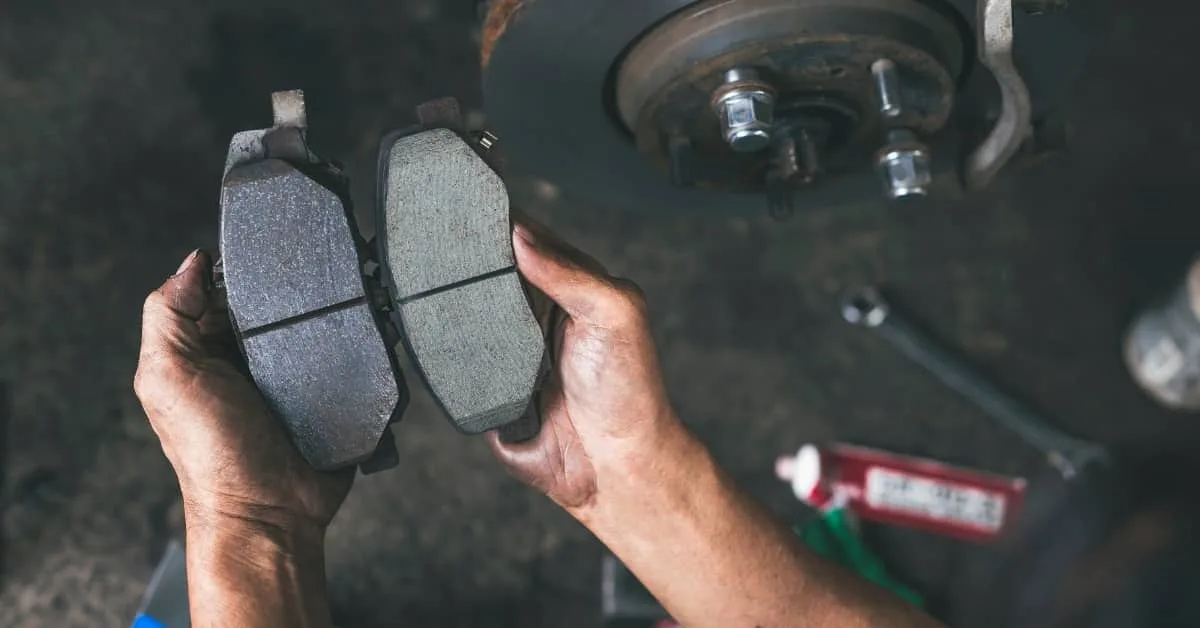
Mechanic comparing worn and new brake pads during car maintenance, highlighting how regular servicing extends the lifespan of a car and reduces unexpected car repairs.

Even if money is tight, do your absolute best not to ignore MOT advisories. These are flagged for a reason, and acting on them as soon as possible is safer and cheaper than letting them fail completely.

Want to Extend the Lifespan of your Car? Flexible Car Repair Finance Can Help.

Not every driver has spare cash tucked away, and sometimes repairs come at the worst possible moment. That’s where 0% car repair finance services like Payment Assist can make the difference. It’s designed for drivers who need their cars back on the road straight away but can’t afford the upfront cost all at once.

We know how tough unexpected repair bills can be, especially with the rising cost of living. Our platform helps you to split the bill into interest-free payments so you can get your car repairs sorted early, before they spiral into more expensive issues that might impact the lifespan of your car. There are no fees or hidden charges, and most plans don’t even require a credit check.

With thousands of garages across the UK offering Payment Assist, it’s easy to find a merchant near you. You can learn more about what we offer here or get in touch with any questions.

FAQs

Do older cars fail MOTs more often?

Yes. Numbers from the DVA show that cars over ten years old are much more likely to fail an MOT, mainly failing on areas like brakes, tyres, suspension, or emissions.

Is fuel efficiency worse as a car ages?

It can be. Engines and components wear over time, so efficiency can drop. Keeping up with servicing and part replacements can help you maintain good fuel efficiency.

Are older cars reliable for long trips?

Yes, but (like any car) they’ve got to be well maintained. Lots of drivers take older cars on long motorway runs without issues, but a pre-trip check of tyres, fluids, and brakes is recommended before covering high mileage.

What’s the most expensive repair job on older cars?

Gearbox and engine rebuild are usually at the top of the list. Sometimes they can run into thousands of pounds. Without flexible car repair finance, these costs can be really difficult to manage.

Banner image reading “Want to cut car repairs while extending the lifespan of a car?”, linking cost of living pressures to smarter car maintenance choices.

Further Reading

and holding a smartphone showing a successful payment screen, illustrating interest-free car repair finance through BNPL services.

Payment Assist Partners with Purchase Direct to Bring Interest-Free Car Repair Finance to Millions

Payment Assist Partners with Purchase Direct to Bring Interest-Free Car Repair Finance to Millions 1200 628 Payment Assist Blog

Payment Assist can now announce a partnership with procurement group Purchase Direct to deliver a Buy Now, Pay Later (BNPL) solution across the UK’s franchised dealer network. This collaboration makes it easier for drivers to spread the cost of their repairs with zero fees and interest-free monthly payments, which simplifies transactions.

It’s a partnership that’s mutually beneficial. Dealerships benefit from a greater level of operational efficiency, and drivers get an easier way to manage the cost of keeping their car roadworthy.

Why it Matters for Car Dealerships

Dealers are set to gain a lot from the partnership. Unexpected repairs are often where customers hesitate to go ahead, and if repair centres are able to offer flexible payment terms delivered through a simple platform, they can increase amber work conversion and boost retention.

Because the Payment Assist system plugs straight into Purchase Direct’s payment platform, it also enhances transaction reporting. Businesses can expect to see a reduction in the time spent chasing payments, which reduces administrative burden and improves operational efficiency.

Mechanic inspecting the underside of a car in a workshop, highlighting the cost of car repairs and flexible BNPL payments.

Why This Matters For Drivers

Unexpected repairs are a financial burden on drivers across the UK. Often, such repairs can be highlighted during routine checks like MOTs, presenting motorists with a bill they hadn’t been able to budget for. For jobs like brakes, tyres, and suspension, immediate attention is usually required, which makes access to interest-free car repair finance crucial.

It is in this context that partnering with a procurement group like Purchase Direct makes a tangible difference. Instead of being met with the total repair cost up front, drivers can now spread the cost of car repairs across monthly payments with no added fees or hidden interest. It provides a simple, transparent solution that ensures drivers do not have to choose between road safety and affordability.

Purchase Direct’s simple, ergonomic payment platform already supports almost two-thirds of the franchised dealer network, so the flexible payment option is directly available at the point of payment. The process is simple to use, offering motorists a clear box-tick to choose monthly payments instead of a single bill.

Driver holding the steering wheel inside a car, representing buy now, pay later (BNPL) flexibility for motoring costs.

Voices From The Partnership

“Adding Payment Assist technology to our dealer platform is an important step forward. Consistent growth in the BNPL sector shows there is customer demand, and dealer interest is high, thanks to the promise of increased revenue. Ultimately, it’s the driver that benefits most, with affordable monthly payments making it easy to keep their vehicle to the highest standard on the road, so we’re delighted to be working with Payment Assist.” – Sharon Landau, project manager at Purchase Direct.

“Our partnership with Purchase Direct is hugely beneficial in all areas. Adding our BNPL offering to their payment platform will make it easier for customers to pay and for garages to get paid. Minimised up-front costs for drivers, thanks to our flexible, interest-free payments, is a valuable benefit for Purchase Direct customers, and we are excited to bring Payment Assist’s products to such a wide audience.” ­ Marcus Gregory, CEO of Payment Assist

 “This collaboration represents a major milestone in our growth strategy. Purchase Direct’s reach across the franchised dealer sector, combined with our trusted finance solution, creates a powerful proposition for the market. We know from experience how valuable the right payment options can be — for drivers and for dealers.” – Chris Masters, Chief Commercial Officer at Payment Assist.

Need Interest-Free Payments That Work For You?

At Payment Assist, we are proud to be a leading provider of interest-free finance for automotive repairs and servicing. We work with garages, dealerships, and service providers across the country to make it easier for customers to afford the work they need. Our zero-interest, fee-free monthly payment plans remove the pressure of upfront repair bills, helping drivers spread the cost fairly and responsibly. For dealers and garages, our solutions boost conversion rates, retention, and revenue.

If you want to know more about how Payment Assist can support your business, or if you are a driver looking for garages that offer our plans, please contact us today.

FAQ

What does Buy Now, Pay Later mean in car servicing?

It allows drivers to spread the cost of car repairs or servicing into monthly instalments rather than paying everything up front.

Do BNPL options affect credit scores?

We simply check that your card has adequate funds to pay the initial deposit and that your address matches. There is no footprint left on your credit status.

Is it safe for garages to use BNPL solutions?

Yes. Approved BNPL providers handle the payment process securely and ensure garages get paid quickly, reducing financial risk.

Why are more industries moving to BNPL?

Customers prefer manageable monthly payments. It boosts sales and makes services more accessible.

Can BNPL work for emergency repairs?

BNPL is often most helpful in unexpected situations, allowing repairs to be carried out immediately while payments are spread over time.

Graphic with text asking about a BNPL solution for drivers and dealerships, linking to interest-free car repair finance options.

Further Reading

Calculator displaying the word flexibility to highlight the benefits of flexible finance options.

Why UK Companies are Turning to Flexible Business Finance

Why UK Companies are Turning to Flexible Business Finance 1200 628 Payment Assist Blog

Rising costs, fluctuating demand, and tighter margins mean that companies are having to totally rethink the ways in which they fund growth and manage day-to-day operations. More and more are choosing business finance as a tool to stay agile; among them, flexible finance options are proving the most popular.

Rather than relying on one type of borrowing, businesses are tending to spread the risk. This essentially gives them more breathing space, with various finance options handing them the chance to bridge gaps or seize new opportunities. It’s not just large firms making these moves, either. Small businesses are finding that a tailored approach to finance makes it easier to manage cash flow without missing out on investment opportunities.

Why are Flexible Finance Options on the Rise?

Traditional lending can be rigid, and fixed repayment schedules and lengthy approval processes can tie companies down. Flexible finance allows your business to scale borrowing in line with demand. It might mean short-term support that gives the capacity to cover seasonal fluctuations or longer arrangements to back major projects.

The attraction is simple, really; players across markets want certainty without having to sacrifice on agility. A long approval cycle for a bank loan can delay projects, but a quicker route through specialist providers can free up cash when it’s needed most. The global financial situation is uncertain, too, so speed and flexibility are becoming essential.

You Have to Manage Your Cash Flow

No matter the size or sector, being able to manage cash flow is as critical as ever. Late payments, unexpected costs, or an unexpected rise in overheads drain your reserves quickly. Even businesses that might look profitable on paper can find themselves squeezed if cash isn’t available at the right time.

Chalkboard diagram showing cash flow management with financing, investing and operating activities for business finance options.

Business finance helps bridge those gaps.

Rather than dipping into savings or holding back on growth plans, companies can get hold of working capital and spread costs. For many, this isn’t about taking on debt unnecessarily but more about smoothing out the bumps so that day-to-day operations aren’t disrupted.

With flexible finance options in place, businesses can pay suppliers on time, cover wages, and invest in stock without waiting for invoices to clear. That stability keeps teams moving forward and avoids the stress of constant firefighting.

Adapting to Market Shifts

Uncertainty has become part of business life, mainly because of supply chain issues, inflation, and customer demand. These shifts have made long-term planning more complicated. In turn, this has created a stronger demand for finance that can be adapted quickly.

A fixed facility might still work for some, but many companies want the ability to increase or decrease their finance depending on what’s happening in the market. That flexibility is especially useful for industries with peaks and troughs throughout the year, like hospitality, for example.

Supporting Growth Plans

Growth often means upfront investment. Hiring staff, upgrading technology, and expanding premises; all of it puts pressure on your finances. Funding these plans entirely from cash reserves just isn’t realistic for many companies.

With flexible finance options, you can break down these investments into manageable payments. This makes it easier to commit to new projects without overstretching. Instead of pausing plans until reserves are built up, use business lending options to grow when the time is right for you.

There’s also a competitive advantage here.

Businesses that act with speed and decisiveness to secure opportunities are much more likely to gain the upper hand. With access to suitable finance options, they can launch products, expand into new markets, or secure contracts while rivals are still arranging funding.

Business professionals shaking hands over financial documents after agreeing flexible business finance options.

Building Financial Resilience

As we’ve discussed, global finances are far from reliable, which is why financial resilience has become so important.  Having a single, dependable business finance arrangement that adapts to circumstances reduces the risk of being caught off guard by sudden changes.

Instead of being exposed to cash flow pressures or forced to pause investment, you can continue operating with confidence, and be confident that your finance is working alongside them rather than against them.

This adaptability means that even when unexpected challenges arise, the same facility can still provide the support required. By using flexible finance options in this way, you’re better positioned to manage your cash flow and maintain growth, without having to juggle multiple arrangements from different loan providers.

Get Flexible Finance Solutions with Payment Assist

At Payment Assist, we support businesses across the UK with a range of flexible finance options designed to make funding straightforward and adaptable. Our business lending division focuses on giving you practical ways to manage cash flow and access business finance when you need it the most. To find out more about how our flexible finance options can support you, get in touch with us today.

FAQs

What is the difference between a loan and flexible finance?

A loan usually comes with fixed terms, but flexible finance can adapt repayments to fit the way your business earns and spends money.

Can flexible finance support short-term needs?

Yes. It can be used to cover temporary costs as well as long-term investments, so it can help your business stay stable during busy or quiet periods.

Does flexible finance always mean higher costs?

No, not necessarily. In many cases, spreading payments makes investment more manageable without significantly increasing the total amount paid.

Why do businesses choose finance instead of using cash reserves?

Paying upfront can reduce working capital and limit flexibility. Finance allows businesses to spread costs while keeping reserves available for other needs.

Is flexible finance only for larger investments?

No. It can be used for both small and large expenses, depending on what best suits the company’s plans.

Business finance advert with call to action asking about funding expansion through flexible finance options.

Further Reading

Mechanic holding car engine parts and a calculator, representing increasing car repair costs.

Managing Increasing Car Repair Costs for Your Customers

Managing Increasing Car Repair Costs for Your Customers 1200 628 Payment Assist Blog

No one likes to hear the words “it’s going to cost more than you expected.” But sadly, it’s starting to become the norm. Over the last few years, we’ve seen that car repair prices are climbing. Parts, as well as labour costs, supplier lead times, and even the basics like oil and brake fluid, have all crept up.

And when customers can’t cover the cost up front, it puts pressure on the whole process. Delayed approvals, abandoned jobs, and awkward conversations aren’t going to help your garage get the work out the door. But there are simple ways to make things easier, not just for your customers, but for your workshop and your bottom line.

Why Car Repairs Are Costing More

It’s not your imagination; things really are more expensive. There are a few reasons for that.

For starters, modern vehicles are more complex. That means you’ll be dealing with more diagnostics and more specialist parts, so you’re probably spending more time under the bonnet. At the same time, inflation has driven up costs across the board, from components to consumables.

Add in labour shortages, longer wait times for parts, and squeezed supplier margins, and it’s hardly a surprise that costs are going up. Unfortunately, it’s not likely that this is a temporary blip. Vehicles are going to continue to get more technical, and manufacturers will keep tightening specs. We can, therefore, expect higher prices for car repairs to stick around.

Crunching the numbers.

According to the Office for National Statistics, the maintenance of motor vehicles cost index rose by 6.8% in 2024. For context, general inflation was roughly half that, standing at 3.5% in April this year. Pothole-related repairs alone now cost UK drivers about £144 on average each year, and garages reported average labour-rate increases of 2.5% in 2024.

There’s a Knock-On Effect for Garages

Many customers either don’t or can’t budget for unexpected car repair costs. And when the cost jumps from a couple of hundred quid to over a grand, it’s understandable for people to get cold feet. That’s when they choose to put things off. They ask to think about it and say they’ll call back later. How many times does that end with no reply, no booking, no revenue? That wasted time ends up costing you.

Helping Customers Say Yes Sooner

The easier it is for someone to say yes, the faster the work gets done.

That’s why more garages are looking at ways to make car bills that little bit more manageable, especially when budgets are tight. One way to do that is by offering flexible ways to pay. Giving customers the option to spread the cost over a few months with a buy now, pay later package can be a massive helping hand. If someone can get the work done now without having to fork out for a huge bill, they’re much more likely to agree to the work there and then. That means faster approval and faster turnaround, too.

Mechanic handing car keys to customer in a red vehicle, representing buy now pay later car repairs

Do Rising Car Repair Costs Create an Opportunity?

Strangely, the answer could be yes. If you can find a way to make life easier for your customers, they’ll remember it. And in a market where trust is everything, that gives you the edge over competitors who are still expecting full payment up front.

Adding a buy now, pay later option is a powerful way of tapping into a business growth opportunity. More completed jobs, fewer abandoned quotes, better customer loyalty. It helps you turn a one-off visit into a long-term relationship.

And from a practical point of view, offering a flexible payment option shows you actually understand the reality most people are living in. Cost-of-living pressures are a real hurdle. Being the garage that gets the struggle? That could make a big difference.

Keeping the Workshop Flowing

Let’s face it, time is money. The longer a job sits waiting for customer approval, the more it clogs up your schedule. Offering a simple way to spread the cost keeps jobs moving. You’re not waiting for a payday or chasing phone calls. You’re just getting the work done.

And because these kinds of payment options are handled externally, there’s no risk you’re taking on. You aren’t acting as the lender, but you are making it easier for your customers, both new and old, to afford the repairs they need. It’s a win-win for everyone involved.

Mechanic lying on a creeper working underneath a vehicle in a garage, representing car repair garages offering buy now pay later options

Want to Help Your Customers with Increasing Car Repair Costs?

At Payment Assist, we help garages offer a smarter way to manage rising car repair costs. Our simple, interest-free buy now, pay later service means your customers can spread the cost with no hassle and no hidden fees.

We take care of the process, from approval to payment, so you can focus on the job at hand. There isn’t any risk, and there’s no upfront cost to your business. You just get a better way to get more work signed off, faster.

Sign up with Payment Assist today, or get in touch with us with any questions about how we can help you support your customers and grow your business.

FAQs

Can offering finance delay the car repair process?

Not if the approval is instant. With the right system in place, offering finance can actually speed things up by removing decision friction.

Is buy now, pay later a good fit for smaller car repair jobs?

It can be, especially if customers are juggling multiple costs. Even spreading a £250 job can make it easier for someone to commit.

How does offering payment options affect customer loyalty?

Customers who feel supported during stressful times are more likely to return, leave good reviews, and recommend your workshop to others.

Do customers need good credit to buy now, pay later?

At Payment Assist, we only check that the card has adequate funds to pay the initial deposit, and make sure the address registered to the Debit card matches. We very rarely carry out full credit checks.

Website banner reading “Looking to stay on the road without the shock of a single big bill?” with Payment Assist logo and red “Contact Us” button, promoting cost of car ownership finance options.

Further Reading