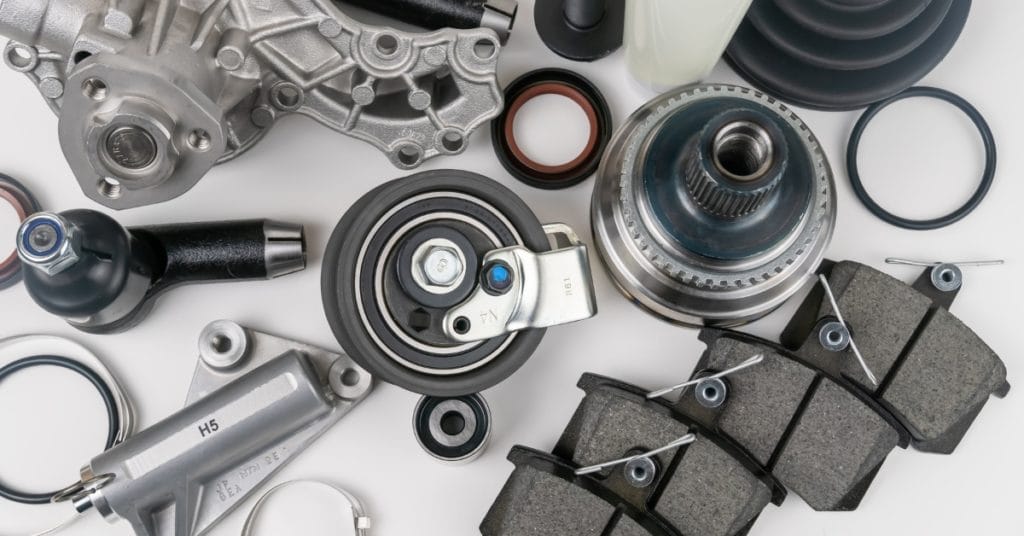
Across the UK motor trade, car parts shortages continue to disrupt day-to-day operations. The shortages are affecting how quickly vehicles can be repaired, and how customers experience the service.
What we’re seeing across the industry is vehicle repair delays as a result of a combination of parts availability issues, higher costs, and increasingly cautious customers. Managing car repair delays due to parts shortages means clear communication, realistic expectations and a service approach that takes into account the financial pressure that many drivers are under.
Why the Car Parts Shortage Is Still Causing Problems
Despite earlier hopes of recovery, the car parts shortage remains a major challenge for UK garages in 2025. Industry research shows that sourcing parts quickly is still one of the biggest operational headaches workshops face. Even when technicians and ramp space are available, repairs can grind to a halt literally just because the right component isn’t in stock.
Modern vehicles are also more complicated to repair.
These days, cars rely on complex electronics, sensors, and safety systems that often require specific parts, as opposed to generic alternatives. This means that repairs can’t be rushed or worked around safely while those parts are unavailable.
Supply chain disruption, higher shipping costs and ongoing inflation have all played a part, too. Parts are harder to source and more expensive, creating pressure on pricing, scheduling and customer conversations.
How Do Vehicle Repair Delays Affect Garages and Customers?
Vehicle repair delays are a huge drag on your business, as anyone who’s experienced them will know. They affect how garages manage workflow and capacity. A vehicle waiting on a delayed part can occupy space for days or weeks, making it much harder to schedule other jobs.
For your customers, the impact is immediate.
Their vehicle goes in for repair and doesn’t return when expected. It’s especially difficult for drivers who rely on their car for work or family life, which is why managing car repair delays due to parts shortages can be as much about managing expectations as it is about completing the repair.
When you don’t provide clear communication, vehicle repair delays can be incredibly frustrating and alienating for your clients, even when they are entirely outside of your control.
Communicating Delays Clearly and Honestly
This is one of the most effective ways to reduce frustration from vehicle repair delays. Generally speaking, customers respond better to delays when they understand why they are happening and what to expect.

Being upfront about potential vehicle repair delays at the booking stage helps set expectations. If you know that certain parts might be difficult to source, explaining this early avoids disappointment later and gives customers time to plan.
Regular updates also matter.
Even when there’s no change in delivery times, keeping customers up to speed helps to reassure them that their repair is still being actively managed. Radio silence risks more frustration than the delay itself, as your customers can feel ignored. Clear explanations help too. Many drivers don’t realise how dependent modern repairs are on specific components. Taking a minute or two to explain this builds understanding and keeps conversations constructive.
How Garages Can Keep Customers Happy During Repair Delays
Good service has always mattered, but during prolonged delays it becomes absolutely crucial. How garages keep customers happy during repair delays often comes down to how supported customers feel throughout the process.
Simple actions make a difference, like being easy to contact, returning calls and speaking in plain, honest language. Customers are far more forgiving of delays when they feel they’re being dealt with openly and honestly.
Offering practical support where possible also strengthens relationships. That might involve discussing repair stages or explaining which work is urgent and which can wait. Even when solutions are limited, showing willingness to help goes a long way.
Offering Flexible Payment Options Can Help
Cost remains one of the main reasons customers delay repairs, and bill shock is all too common across UK drivers. When vehicle repair delays are combined with large, unexpected bills, customers can feel totally stuck. Flexible payment options can help ease that pressure.
Spreading the cost of repairs makes essential work more manageable, especially during periods of financial strain. For garages, this is a route to reduce declined work and prevent vehicles from sitting unrepaired while customers decide what to do.

Looking to Keep Your Customers Happy with 0% Car Repair Finance?
At Payment Assist, we work with garages across the UK to help make repairs more affordable for customers through simple, interest-free payment options. Our solutions mean your customers can spread the cost of essential vehicle repairs, helping garages keep work moving even during periods of vehicle repair delays and ongoing car parts shortages.
We make the process straightforward for both garages and drivers, supporting better conversations around cost and reducing the risk of delayed or declined work. Sign up for Payment Assist today or get in touch to find out more about how we can support your business.
FAQs
Does offering finance affect how customers view a garage?
When presented clearly and without pressure, finance is often seen as a helpful option rather than a sales tactic.
Is finance suitable for smaller repair bills?
In general, customers value the flexibility even for moderate costs, especially when budgets are tight.
How quickly can payment options be set up for customers?
Modern systems like Payment Assist are designed to be fast and straightforward. They fit easily into existing service processes.
Will finance slow down the repair process?
In many cases, it helps speed things up by reducing delays caused by customers needing time to arrange payment.